


Winning Tips for High FX Volatility!

AIによる英訳ですThis has been translated into English by AI.
Winning Tips for High FX Volatility!
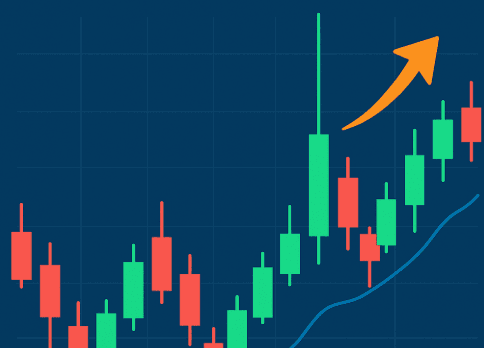
When trading forex, you may hear the term “high FX volatility.” This means the market is experiencing big price swings in a short time. For beginners, it might sound scary, but don’t worry! Here, we’ll explain in a fun, simple way what high FX volatility means and how to handle it.
📈 What Does High FX Volatility Mean?
High FX volatility refers to situations where currency prices move up and down rapidly. It offers great profit opportunities, but the risks are also higher.
💡 Why Does Volatility Increase?
Economic news or major events (like central bank announcements) often cause traders to react quickly, creating high FX volatility.
⚡ Pros and Cons of High Volatility
Pros: Large price movements mean you can make big profits in short-term trades.
Cons: Loss risks rise at the same time, so caution is key.
🛡 Tips for Safe Trading
- Use smaller lot sizes
- Always set a stop loss
- Check the economic calendar
In short, when you’re dealing with high FX volatility, stay calm, follow your trading rules, and you’ll be better prepared for success!
■ Checking Trading Costs and Order Execution in Volatile Markets
During periods of high volatility, the spread (the gap between the buy and sell prices) can widen, especially around major economic releases. Trading costs may therefore be higher than usual, even if the normal spread looked low.
A stop loss also does not guarantee that your order will be filled at the exact price you set. During fast market moves, slippage can occur, meaning the order is executed at a less favorable price.
If you are choosing a broker for small-lot trading, consider these points before opening an account:
- Check the spread for the currency pairs you plan to trade, and confirm how it is displayed on the broker’s official site.
- Review the broker’s explanation of order execution and slippage in its official terms or help pages.
- Confirm the minimum trading unit, required margin, and any margin call rules.
- Compare several brokers using their latest official information, since fees and conditions can change.
Keeping these costs and execution risks in mind will help you manage high volatility more realistically.
コメント